In this post, I'd like to share a project where I looked into something that might surprise you: New Zealand's Goods and Services Tax (GST) applies to some cancer treatments even when patients pay out-of-pocket. My research tells the story of a man named Merv Williams from Whangārei. I dug into how this tax affects people financially, how other countries approach this issue, and what the data tells us.
To do this, I used a combination of research and analytical skills, including:
Merv Williams, a retired man from Whangārei, must pay over NZD 25,000 in GST for a three-year cancer therapy not funded by Pharmac, despite his condition being non-terminal. While his drug, unfundable, is clinically recommended and Medsafe-approved, it is not eligible for public funding post-surgery.
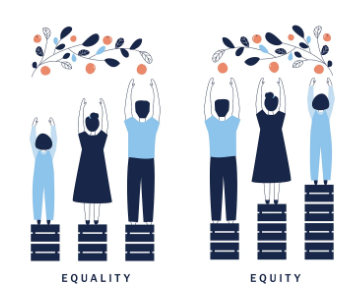
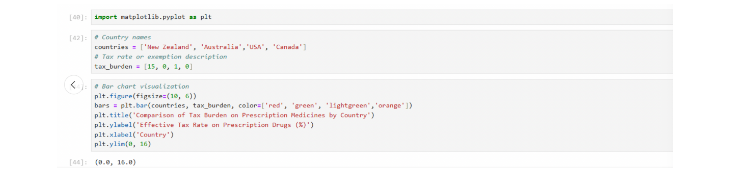
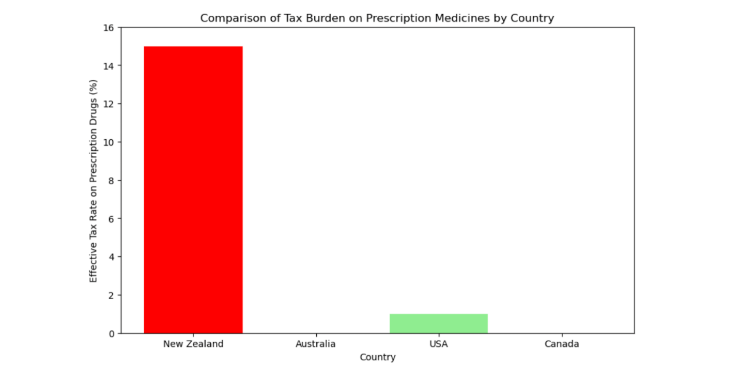
New Zealand currently applies a flat 15% GST on nearly all goods and services, with no exemptions for medical expenses and medicines. This contrasts with Australia and the United States, which exempt prescription medications from consumption taxes. This raises questions about equity, financial burden, and health system values.
Policy dilemma: The government has no plans to exempt cancer drugs from GST due to concerns over lost revenue complexity and tax revenue loss.
I wanted to understand this issue more deeply, so I took these steps:
Australia's Pharmaceutical Benefits Scheme (PBS) ensures that most prescription medicines cost patients a maximum of 10% (capped at $31.60) of their actual cost. Non-PBS medicines are fully priced, but most cancer treatments cost a maximum of $31.60, or $7.70 for concession cardholders. The Australian government covers the remainder cost, significantly reducing out-of-pocket expenses for patients.
Pharmaceutical Benefits Scheme (PBS): Australia's equivalent to Pharmac offers broader coverage, including post-surgical adjuvant therapies in most cases.
Most prescription medications are generally exempt from sales tax at the state level. Most states do not tax prescription drugs, though policies can vary. For instance, Illinois imposes a reduced sales tax rate of 1% on prescription medications. Additionally, some states like Florida, Maryland, and New York also exempt certain over-the-counter medications with prescriptions.
Implication: While the U.S. lacks universal healthcare, patients paying out of pocket for prescription drugs are often not subject to sales tax, meaning a similar treatment would incur fewer tax-related financial burdens, though the drug cost itself may be much higher.
In Canada, prescription drugs are zero-rated under the Goods and Services Tax (GST) and Harmonized Sales Tax (HST) systems. This means that patients do not pay GST/HST on prescribed medications, effectively reducing the cost of essential medicines.
New Zealand has one of the highest cancer incidence rates in the world. According to 2022 data from the International Agency for Research on Cancer (IARC):
There were 18,157 new cancer cases reported in New Zealand.
This equates to an age-standardized incidence rate (ASR) of 427.3 per 100,000 people, which is more than twice the global average of 196.5 per 100,000.
As of 2021, Cancer was one of the leading causes of death in New Zealand, with an age-standardized mortality rate of 110.8 per 100,000 people. Among the Māori population, the rate was significantly higher at 159.2 per 100,000.
A recent study estimates that by 2040-2044, New Zealand could face around 45,100 new cancer cases per year, with a projected incidence rate of 378 per 100,000 people.
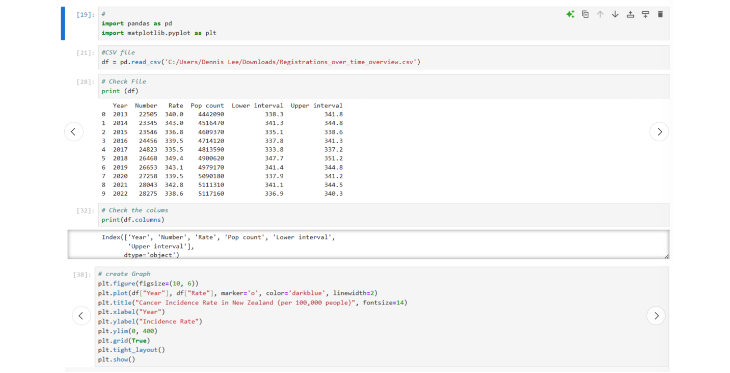
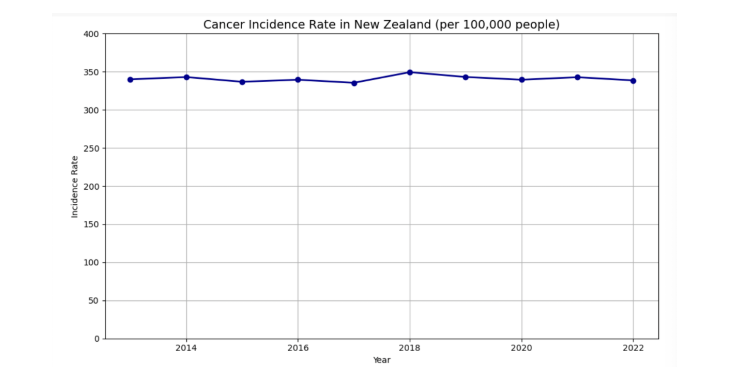
A high and steady incidence rate means continued financial strain on both the public health system and private individuals, especially when some treatments are not publicly funded (as patients like Merv Williams would face).
A stable trend might suggest that public health interventions may have slowed growth in the rate, but the overall burden remains high. However, this is especially concerning given that cancer is one of the leading causes of death in New Zealand, accounting for about 1 in 3 deaths.
This situation raises important questions about how healthcare costs are distributed in a country that otherwise prides itself on accessible healthcare for all. Many cancer patients are out of reach for public funding under current budget constraints. When these treatments are still essential but remain outside as a luxury goods, it highlights a tension between revenue generation and compassionate healthcare policy.
As New Zealanders face high out-of-pocket costs for life-saving treatments, it's important to consider how our tax policies compare to countries like Australia, Canada, and the United States. With Merv's content maintaining a flat 15% GST on almost all goods and services, medical treatments can unfairly burden patients. Australia and Canada exempt most prescription medications and provide more support through the PBS or VAT. Canada exempts cancer drugs from GST or VAT. Considered together, there seems to be room for New Zealand to move in a more equitable direction.
New Zealand's GST system is praised for its simplicity, but applying the same tax to vital medical treatments can unfairly burden patients. Australia and Canada exempt most prescription medications, and the United States exempts many medications from GST or VAT. Canada has a reduced program for high-cost treatment typically used for lung cancer. Alternatively, New Zealand could maintain its simply structured approach by including a small, defined list of essential cancer drugs.
New Zealand's tax system is internationally recognized for its simplicity and fairness, applying GST uniformly with very few exemptions. This approach reduces administrative complexity, prevents loopholes, and ensures stable revenue for public services like education, infrastructure, and, importantly, the broader health system.
The Government has emphasized that introducing exemptions, even for something as compelling as cancer drugs, could lead to pressure for more services, complicating the structure and reducing funds that support the entire population.
However, with cancer rates remaining high at 350 per 100,000 people, nearly double the global average, and with more patients turning to unfunded but effective treatments, the financial strain is unbearable for many families. Other countries, such as Australia and Canada, have found ways to relieve this burden through tax exemptions or reimbursement systems while still having public health efficiency.
In the end, this isn't just about tax; it's also a reminder of how important it is to thoughtfully balance access to essential care with the need to maintain strong public systems that benefit all.
Starting on this project gave me a different perspective on the intersection of tax policy, healthcare, and data analysis. I learned a lot digging into these issues. At first, I was simply curious about the fairness of adding artificial costs to cancer treatments, but as I researched more, compared international systems, and visualized New Zealand's cancer rates, I realized how complex and sensitive this topic truly is.
This project reminded me how powerful data can be when combined with storytelling, not just to explain a problem, but to suggest thoughtful, realistic solutions. I hope to continue developing projects like this to help translate complex public issues into something people can understand and reflect on.
Australian Border Force. (n.d.). GST exemptions.
Consumer Healthcare Products Association. (n.d.). Sales tax exemption.
https://www.chpa.org/our-issues/other-issues/sales-tax-exemption
New Zealand Census Mortality and Cancer Trends Study. (n.d.). NZCMS/CT Data Explorer (version 8).
https://nzcms-ct-data-explorer.shinyapps.io/version8/
TaxJar. (2025). Sales tax by state: Is prescription and nonprescription medication taxable
https://www.taxjar.com/sales-tax/sales-tax-state-prescription-nonprescription-medication-taxable
Te Whatu Ora – Health New Zealand. (n.d.). Cancer web tool.
https://www.tewhatuora.govt.nz/for-health-professionals/data-and-statistics/cancer/data-web-tool
World Cancer Research Fund. (n.d.). Global cancer data by country.
https://www.wcrf.org/preventing-cancer/cancer-statistics/global-cancer-data-by-country/