I recently read "The Spirit Catches You and You Fall Down" by Anne Fadiman. It's a nonfiction book about a young girl named Lia Lee, whose family were Hmong refugees living in California. Lia had epilepsy, but her parents didn't see it as a medical condition. They believed her seizures were a sign that her spirit had left her body, something deeply spiritual and meaningful in their culture.
Her doctors, on the other hand, followed a Western medical approach. They prescribed medication, expected strict compliance, and grew frustrated when Lia's family didn't follow instructions. It wasn't because the parents didn't care; they cared deeply. But they saw the illness through a completely different lens.
What happened between them wasn't just a clash of opinions. It was a slow-building disconnect between two systems that couldn't talk to each other. Sadly, it was Lia who ended up in a permanent vegetative state, not because of her illness alone, but because of the failure to communicate.
What I found most interesting about this book was how it went beyond being a story about illness. It showed how culture can completely change the way people understand health, care, and responsibility. As someone living in New Zealand, this really resonated with me, especially when I think about the ongoing health inequities faced by Māori communities.
In the book, Lia's parents saw her epilepsy as spiritual, while the doctors saw it as a purely medical issue. Both sides cared about her, but they couldn't bridge the gap. It reminded me of how, even today, many Māori patients feel that their values and worldviews aren't reflected in mainstream healthcare. According to a 2022 Ministry of Health report, Māori are more likely to experience communication breakdowns and feel culturally unsupported when seeking medical help.
That connection made the book feel more relevant to where I live. It made me think that good healthcare isn't just about medicine, it's also about listening, respect, and being open to the fact that there's more than one way to understand what it means to be well.
This book was published in 1997, but its message remains highly relevant today. Cultural and communication gaps in healthcare are still widespread across the globe, and they continue to affect patient outcomes in real ways.
Here in New Zealand, the situation is no different. Māori and Pacific peoples consistently report feeling culturally misunderstood or even ignored within the healthcare system. A 2022 Ministry of Health report highlighted that these groups face significant barriers, not only due to logistical issues like cost or location, but because their cultural identities and ways of understanding health are often overlooked or dismissed.
What struck me most about this is that the challenge goes beyond simply translating words or providing interpreters. It's about translating meaning, understanding the values, beliefs, and lived experiences that shape how people view health and illness. Without this deeper cultural translation, healthcare can unintentionally alienate those it's meant to help.
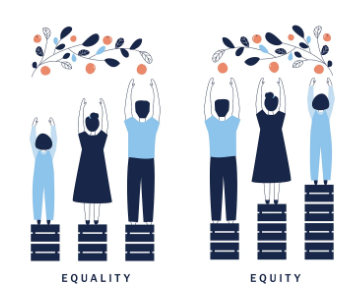
This made me think critically about how healthcare systems need to evolve. It's not enough to offer services that work "on paper." To improve health equity, systems must incorporate cultural competence as a core part of care, not an afterthought. That means training providers to listen actively and respectfully, and creating spaces where patients feel their worldviews are acknowledged and valued.
As a Health Science graduate, this book challenged me to think beyond the theories I learned in class. We often talk about equity, access, and cultural safety in public health, but this story showed how those concepts play out in real life, and how painful the consequences can be when systems don't truly understand the people they serve. If you're interested in culture, health, or the human side of systems, I'd recommend this book.