The increasing integration of digital technology into everyday life has reshaped the experiences of young people in New Zealand. While digital platforms provide avenues for learning and connection, excessive usage has been associated with negative mental health outcomes. This article explores the relationships between problematic digital media use, insufficient sleep, and declining school attendance among New Zealand youth. Drawing on data from the New Zealand Health Survey and international sources, including the World Health Organisation, this piece aims to identify trends, contributing factors, and potential public health responses that can mitigate the psychological burden on young populations.
Digital media is an inextricable part of modern adolescence. From early exposure to smartphones to constant interaction with social platforms, young people in Aotearoa increasingly navigate a world where digital engagement is both expected and normalised. However, the psychological consequences of this transformation are becoming difficult to ignore. The World Health Organisation's 2023 report, Teens, Screens and Mental Health, draws attention to a global surge in mental health challenges among adolescents, much of it linked to problematic social media use, insufficient sleep, and social disengagement.
According to the WHO, excessive digital media consumption contributes to sleep disturbances, lower self-esteem, and heightened anxiety, placing vulnerable youth at even greater risk. New Zealand is not immune to these trends. Recent data from the Ministry of Health show concerning increases in digital screen time among children, accompanied by declining sleep duration and school attendance. As mental health challenges become more pronounced in our youth, a critical public health question emerges.
Mental health outcomes in youth are influenced by a complex interplay of biological, social, and behavioural factors. According to the World Health Organisation's (2023) report "Teens, Screens and Mental Health," problematic social media use is linked to sleep disturbances, increased anxiety, and lower self-worth among adolescents. In New Zealand, this global pattern is mirrored by worrying domestic trends.
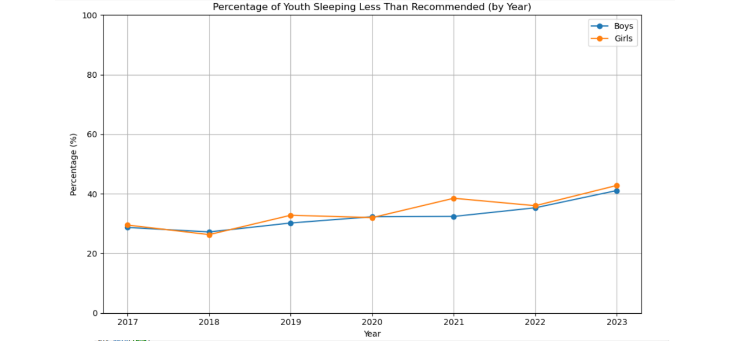
Ministry of Health data from the 2023/24 New Zealand Health Survey shows that an increasing number of children aged 0–14 years are not achieving recommended sleep durations. Sleep deprivation among children and adolescents has been associated with poorer emotional regulation and cognitive performance, exacerbating existing vulnerabilities.
Meanwhile, school attendance, a key protective factor for mental and social wellbeing, has declined. As of 2023, only 47% of students in New Zealand are attending school regularly. This decrease in attendance is particularly acute in high-deprivation areas and among Māori and Pacific students, who also report disproportionately lower rates of sleep and higher levels of screen exposure.
While insufficient sleep and declining school attendance do not directly cause mental health disorders, numerous studies point to their correlation between these factors and emotional wellbeing. For example, sleep deprivation has been shown to impair emotional regulation and increase susceptibility to anxiety and depression. Similarly, lower school attendance is often associated with reduced social connectedness, increased isolation, and higher risks of disengagement and behavioural difficulties.
The rise in screen dependency, particularly on social media and streaming platforms, correlates with increased evening time, delayed sleep onset, and poor sleep hygiene. When combined with lower school engagement, these behaviours can create a feedback loop of isolation, academic disengagement, and emotional distress.
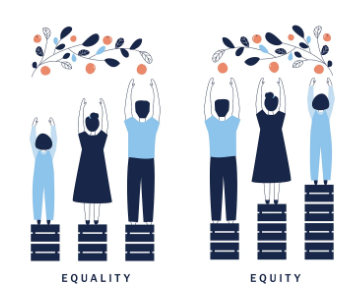
Structural factors compound these issues. Access to digital devices is high, but digital literacy and health education are often not prioritised. Communities with limited access to primary health care or school-based support may not receive timely interventions. Furthermore, the social norms surrounding media consumption are shifting, making it more difficult for caregivers and educators to establish boundaries around cultural and peer resistance.
The relationship between digital use, sleep, and school participation is complex and likely bidirectional. Excessive screen time may reduce sleep quality and school homework or structured activities, while poor sleep and school disengagement may also drive young people toward greater online escapism. Though causality is difficult to pinpoint, the interconnectedness of these factors requires a systems-thinking approach when designing interventions.
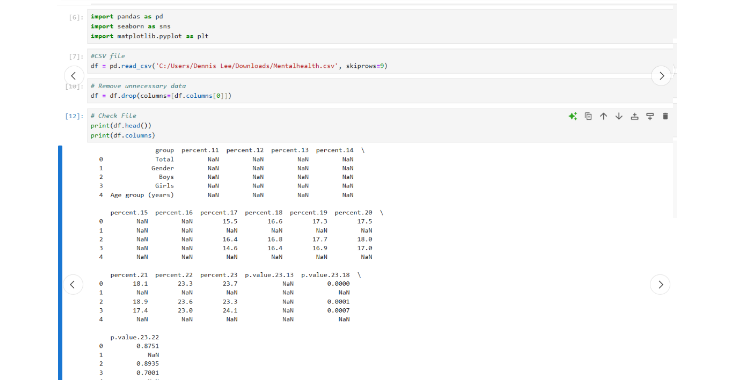
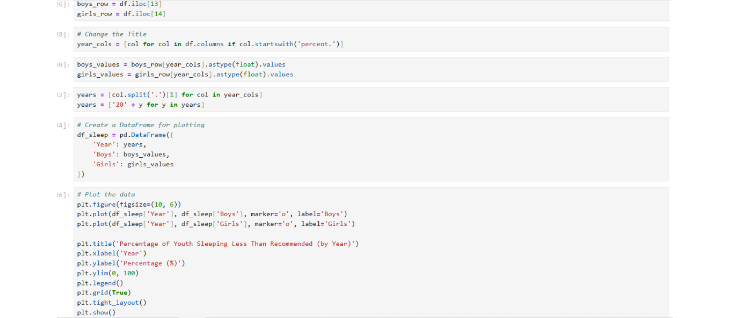
To address the mental health implications of the digital environment, a multi-pronged approach is necessary. Strategies should include:
Public Awareness Campaigns: Programs like the U.S. "We Think Twice" initiative or the UK's "Better Health Every Mind Matters" offer examples of media literacy campaigns aimed at youth.
School-Based Interventions: Enhancing sleep and screen-time education within health curricula, and promoting school attendance through wraparound services and culturally responsive outreach.
Policy Coordination: Collaboration between the Ministries of Health, Education, and Social Development is essential to align digital wellbeing initiatives with broader child and adolescent health strategies.
Community Engagement: Support for Māori- and Pacific-led solutions to digital harm, recognising the importance of whānau and collective wellbeing.
New Zealand must recognise that youth mental health is not simply an individual challenge, but a public health priority. The intersection of digital media use, sleep, and school participation demands a comprehensive, equitable response grounded in evidence and shaped by community voice.
As technology continues to evolve, so too must our frameworks for supporting the next generation's well-being. The data shows clear patterns that demand urgent attention, but with coordinated effort and community-centred solutions, we can create digital environments that support rather than undermine youth mental health.