In 2022, a total of about 136,000 children around the world died from measles. This statistic is more than a number, it underscores the slow crumbling of a wall of defence which humans have always had to rely on: vaccination. Recent news out from The World Health Organisation (WHO) and The CDC is enough to scare the pants off you! From 2019 to 2022 alone, an estimated 67 million children missed at least one routine vaccine, indicating the greatest decline in three decades.
Vaccination coverage in New Zealand remains higher than the global average but is below the 95% target set by the WHO. In 2022, 90% of children had received the first dose of MCV1, and 92.5% had received MCV1. Māori children, on the other hand, experienced significantly lower coverage at 69% (compared to the all-child coverage of 83.1%.) In the United Kingdom, DTaP and MMR coverage is over 85%, but remains suboptimal compared with the WHO target. This trend is seen in Australia where 92.9% coverage is particularly low compared to high-income countries. Whether you like it or not, these are not just statistics, they are issues of social trust and policy challenges that face nations in the protection of our children.
There are many causes of falling vaccination rates, but study after study links it to misinformation and loss of trust. A study in 2021 of covid-19 misinformation in Nature showed that being exposed to fake news decreased levels of vaccination intent by 6.2% in the UK and 6.4% in the US. An estimated 750,000 people in the U.S. declined vaccines in 2021, leading to [WH1] 29,000 extra cases and more than 430 deaths, the researchers calculated. The misinformation that exists online is not just theoretical, it manifests itself in real life and can be fatal to children.
This erosion of trust leads to the decline in vaccination rates resulting in the resurgence of disease. In 2023, the number of measles cases worldwide increased 20 percent, to 10.3 million, from 2022. More than 22 million children missed the measles vaccine since the outbreak began, with 83 percent missing the first dose, 74 percent missing the second dose. World Health Organisation Director-General Dr Tedros said, "Vaccines save more lives than any other medical intervention, they have done more than any other form of medical intervention in the last 50 years," and added, "The social return on investment cannot be underestimated, investment in immunisation for everyone is an investment in present and future generations."
It will take more than setting numerical targets to reverse the decline in vaccination rates.
Improve Transparency: Providers and public health officials should continuously report long-term vaccine effectiveness and safety in order to build trust amongst the public.
Reinforce Misinformation Response: Partnership with online platforms for fact-checking and launching community awareness campaign.
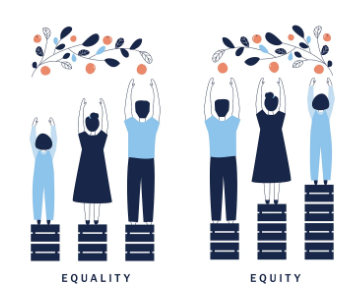
Increase Access & Support: Scale-up mobile clinics and free vaccination days to priority populations and Māori communities.
Increase Understanding of Risk Through Education: Make comparisons between disease vs. vaccine risk visual and amplify education around vaccination, including introducing them in schools and local communities.
Dwindling vaccination rates are not so much the result of choices made by individuals, as they are a product of a complicated web of societal confidence, information ecosystems, and structural barriers. Thanks to evidence-informed communication, misinformation squashing, and cross-cutting policy solutions, we can ensure the health of future generations, while bolstering global public health defenses.